Our story
Money worries are an inescapable fact of life for millions of people, in the UK and abroad.

In 2021 Patrick Jenkins, Global business writer and associate editor of the Financial Times and our chair, led the creation of FT Flic.
He understood that a knowledge of basic finance could be a “powerful defence mechanism” when hard times hit people’s personal finances. So the FT used its charitable effort, expertise and convening power to highlight the neglected issue of poor financial literacy. Within a year, war, rising prices and a cost of living crisis had made that work more urgent. From the start, our focus has been on those most affected by the financial education gap: young people, women and marginalised communities.
1 in 4 UK adults are one bill away from financial difficulty
The gap that starts at home
Evidence tells us that children start learning about money from their parents or carers early, even before they start school. That’s fine if your parents are confident with money.
However nearly 50% of parents don’t feel equipped to talk to their children about it (MaPS 2023), which leaves a wide knowledge gap. This hits the poorest hardest: a 15-year-old from a low-income background has broadly the same level of financial literacy as an 11-year-old from an affluent one. The gap follows a child into adulthood. Today, almost one in four UK adults is one unexpected bill away from financial difficulty.
Without support or trusted guidance, people turn to high-cost credit, illegal lenders or their social media feed, or they simply feel too overwhelmed to address the problem.
Starting in schools
This is where schools play an essential role. Teaching young people about money has been part of the national curriculum in England since 2014.
Despite this, only a third of children remember a money lesson that was any use to them. The problem was that teachers were being asked to explain payslips, mortgages and scams with no training, little time and inadequate materials. So our team of teachers and educators built a complete, free, easy-to-download curriculum for every year of secondary school, from Year 7 to Year 13, written so that the least confident teacher of any subject can pick it up and teach it.
It began in one east London school in 2022, and today it is in around one in four secondary schools in the UK. We evaluate it with our partner Beacon schools, collecting thousands of before-and-after pupil surveys each year, which show consistent gains in financial knowledge and confidence.
Our award-winning curriculum is quality assured by the PSHE Association and by nasen, the National Association for Special Educational Needs.
Our journey so far…
- May 2021 Established as a registered charity
- July 2022 Core modules developed for 14 year olds
- September 2022 In-person delivery to 600 young people
- September 2023 Full school curriculum published
- September 2023 1mn views reached on social media content
- September 2023 In-person delivery to 2k young people
- September 2023 87 schools using curriculum
- October 2023 PSHE accreditation
- June 2024 Winner of MAIA awards 2024
- September 2024 475 schools using curriculum
- September 2024 2mn views reached on social media content
- December 2024 First seasonal appeal with Magic breakfast – raising £211K
- March 2025 Debt Awareness campaign 2.6m views
- August 2025 NASEN acreditation
- September 2025 2.1m views on our Pensions week campaign
- September 2025 906 Schools reached
- September 2025 New learning hub launches with updated school curriculum
- November 2025 Launched our first independent seasonal appeal with Experian
- January 2026 67 bitesize adult learning videos launch on our learning hub
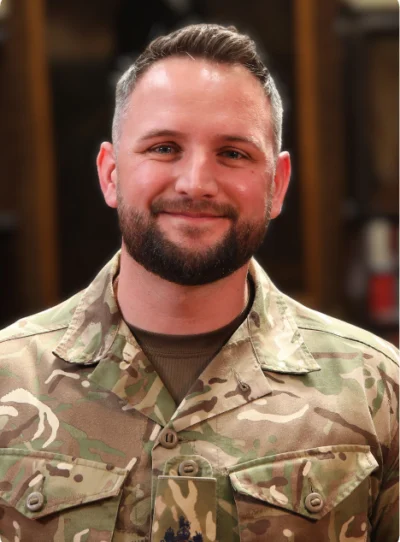
- February 2026 Started bespoke iterations for Armed Forces
- March 2026 Bespoke Iterations for NHS
- September 2025 Flic turns 5
- October 2026 lunch auction raises £110K+
- November 2026 New Flic website
1 in 4 UK adults are one bill away from financial difficulty
Beyond the classroom
So schools with the right resources can now reach children. But what about the adults who received no financial education? People in their 30s, 40s and 50s, or approaching retirement, often with debts and dependants, never had the chance to learn this at school. We have responded by creating financial education with adults, not just for them, and by putting accurate information where people already scroll.
We have produced a free library of bitesize videos on core financial topics, with versions tailored for NHS workers and the Armed Forces. We also run financial education webinars for trade unions and employers, and deliver a train-the-trainer programme. For adults who are still out of reach, we run digital campaigns each year on topics including pensions and debt, reaching millions of people. The learning leads to action: 63% of adults who gave feedback on our videos said they were likely to change their financial habits. And when our trustee Claer Barrett, the FT’s consumer editor, urged television viewers to hunt for lost pension pots, they traced £1.2 million.
Changing the system
Alongside teaching, we campaign for lasting change. We have met ministers, given written and oral evidence to parliamentary committees and advised exam boards.
In April 2026 our executive director, Aimée Allam, gave evidence to the House of Lords Numeracy for Life Committee, warning of rising online threats and the pitfalls of relying on AI for money advice. Patrick Jenkins joined ECB president Christine Lagarde to launch a eurozone-wide financial literacy campaign. Since our launch we have helped make the case to the UK government that a foundational understanding of finance is an educational essential, and in autumn 2025 the government’s curriculum review recommended strengthening financial literacy in secondary schools.
As the Financial Times’s own charity, we benefit from the paper’s unique influence and reach. The FT’s global reputation wins the attention of senior decision-makers in business, finance, government and education. Through its journalism, events and networks, and through our seasonal appeal each year, the FT brings financial literacy to its readers, including politicians, policymakers and industry leaders. This, together with our other partnerships, supports the policy and research work that makes systemic change possible.
-
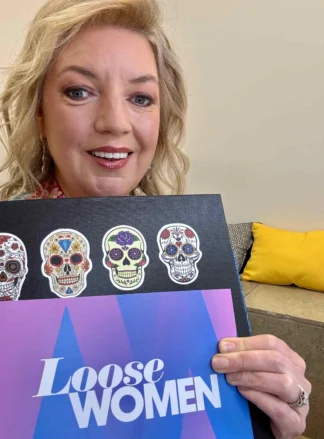
Claer Barrett preparing to appear on ITV -
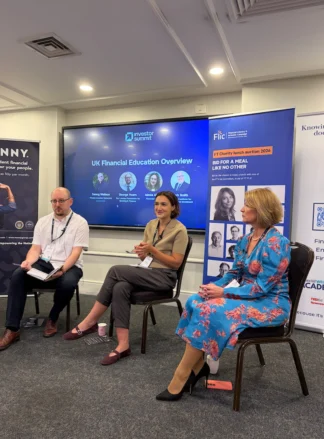
Executive director Aimée Allam discusses financial education at the Investor Summit -

Claer Barrett, the FT’s consumer editor on Loose Women
The job is not finished
The curriculum review places financial literacy within Citizenship, an optional GCSE subject. Teachers still need resources that are up to date, relevant and engaging, that slot easily into lesson time and that keep pace with policy and curriculum changes. Scams and financial exploitation move faster than any curriculum, and to give children the best chance we need to stay ahead of them. For adults, we are working to close the gap between learning and action, and to build financial resilience. We still have much to do.
If you teach, our curriculum is free to download. If you employ people, we can work with you. And if you believe everyone deserves this knowledge, you can support us.
-
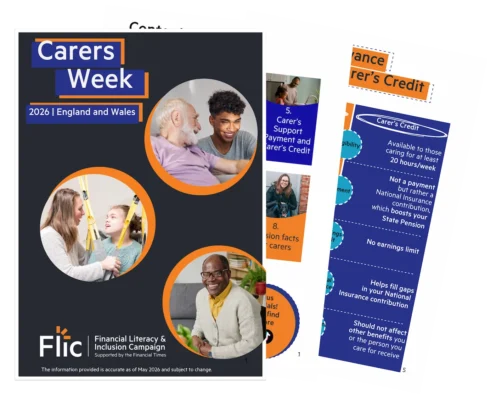 View our resources
Explore our resources
Free financial education resources for teachers, mentors, youth workers, parents, guardians, community educators and caregivers supporting young people.
-
 Partner with us
Partnerships take many forms at FT FLIC. Some partners help us develop our learning materials; others help them reach the learners they’re made for. Whichever way you’d like to get involved, we’d love to hear from you.



Make a difference today.
Support our work and ensure there’s
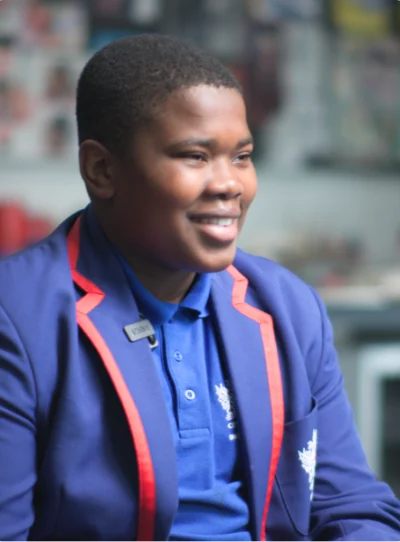
always free resources for people like Forever.